9
/
02/2026
•
Mental Health
Workplaces are a key setting for influencing health. That's why we are always looking to work with businesses who are looking to build healthier workplaces. That includes health checks, workshops and activities that improve mental and physical health.
We asked Orla Mullan, a member of the Developing Healthy Communities team who delivers mindfulness and meditation in schools, community venues and, now, in workplaces about how she developed her love for the topic and how mindfulness can help foster a calm, productive office culture.
Hi Orla, can you tell us a bit about yourself?
I’m originally from Derry and after living in Manchester in my early twenties where I studied and worked I returned home and now live in beautiful Donegal surrounded by the kind of landscape that makes slowing down feel natural.
I facilitate mindfulness and meditation classes in local schools and in the community and through that work I try to live in line with my values – cultivating kindness, compassion, and a more mindful way of being.
Is that where your experience with mindfulness and meditation began?
I’ve been drawn to meditation from a young age, introduced to it by my dad who studied Transcendental Meditation. As a sensitive child, I often carried big questions that the adults around me didn’t always have answers for, so turning inward and finding stillness felt like a natural refuge.
Later, when I moved to Manchester to study Psychotherapy, I began weaving mindfulness and meditation into my work with clients, noticing how powerful these practices were in helping people connect with themselves. Over time, my path gently shifted more and more towards teaching mindfulness and meditation as a primary focus rather than a side tool.
When I eventually moved back to Donegal, I deepened this direction by qualifying in Creative Mindfulness, which brought together my therapeutic background and my love of contemplative practices.
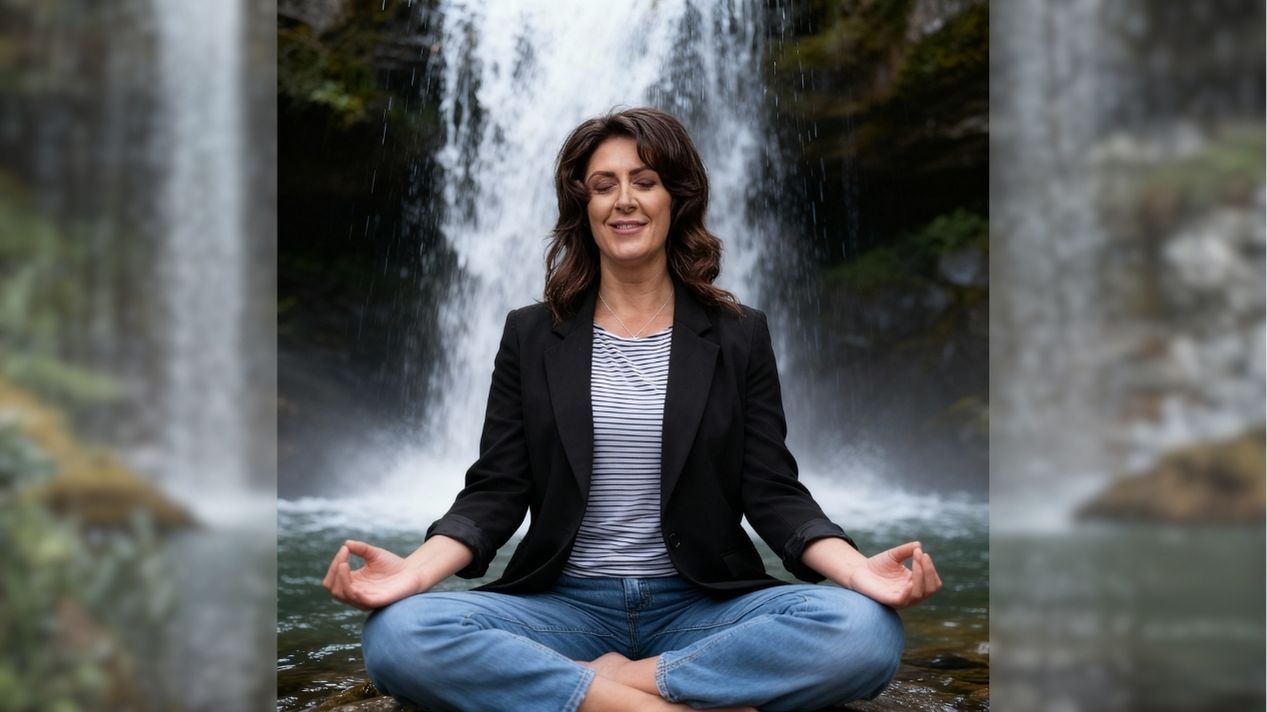

How would you describe mindfulness to someone who has never encountered it?
I describe mindfulness as a way of bringing our attention to the present moment, the “now” so we can notice our thoughts, feelings, and bodily sensations without judgment. Meditation is the intentional act of creating space to tune inwards, often by sitting quietly and focusing on the mind–body connection, such as the breath or sensations in the body.
When we put mindfulness and meditation together, we’re building regular moments in our day where we can acknowledge everything that is happening inside us, without being judged, compared, or criticised. It becomes a safe inner space that we can return to, where we can simply be with ourselves as we are.
How have mindfulness techniques helped you in your working life?
Mindfulness has supported me immensely in my working life, especially during times of change and uncertainty. It has helped me to pause, regulate my nervous system, and respond rather than react when things feel stressful or overwhelming.
It has also shaped the way I relate to colleagues, allowing me to see beyond differences and connect with the shared human experiences that sit underneath – stress, hopes, worries, and the desire to do well. That deeper understanding has made it easier to bring empathy into difficult conversations and to navigate transitions with more steadiness and clarity.
How would you recommend anyone to start with introducing some mindful practices into their working day?
For anyone wanting to introduce mindful practices into their working day, I always suggest starting with the breath. The breath is the number one tool we all carry with us that can help regulate the nervous system and gently move us out of fight-or-flight.
Taking just a few slow, conscious breaths can make a real difference. From there, it can be helpful to check in with the body – noticing posture, where you might be holding tension, and softening the shoulders, jaw, or hands. Simple acts of self-care also become mindful practices: taking short walks, stepping away from the computer, drinking a glass of water with full awareness, or having a genuine chat with a colleague. Small, intentional pauses like these can begin to weave a more grounded, compassionate way of working into an ordinary day.
Other Blogs
19
/
09/2026
•
Urban Health

The statistical profile is part of the city and district's preparation for Phase VIII of the WHO Healthy Cities network
Read More

3
/
08/2026
•
Mental Health

Clear forum speakers on their lessons from wellbeing practice
Read More
6
/
07/2026
•
Grants
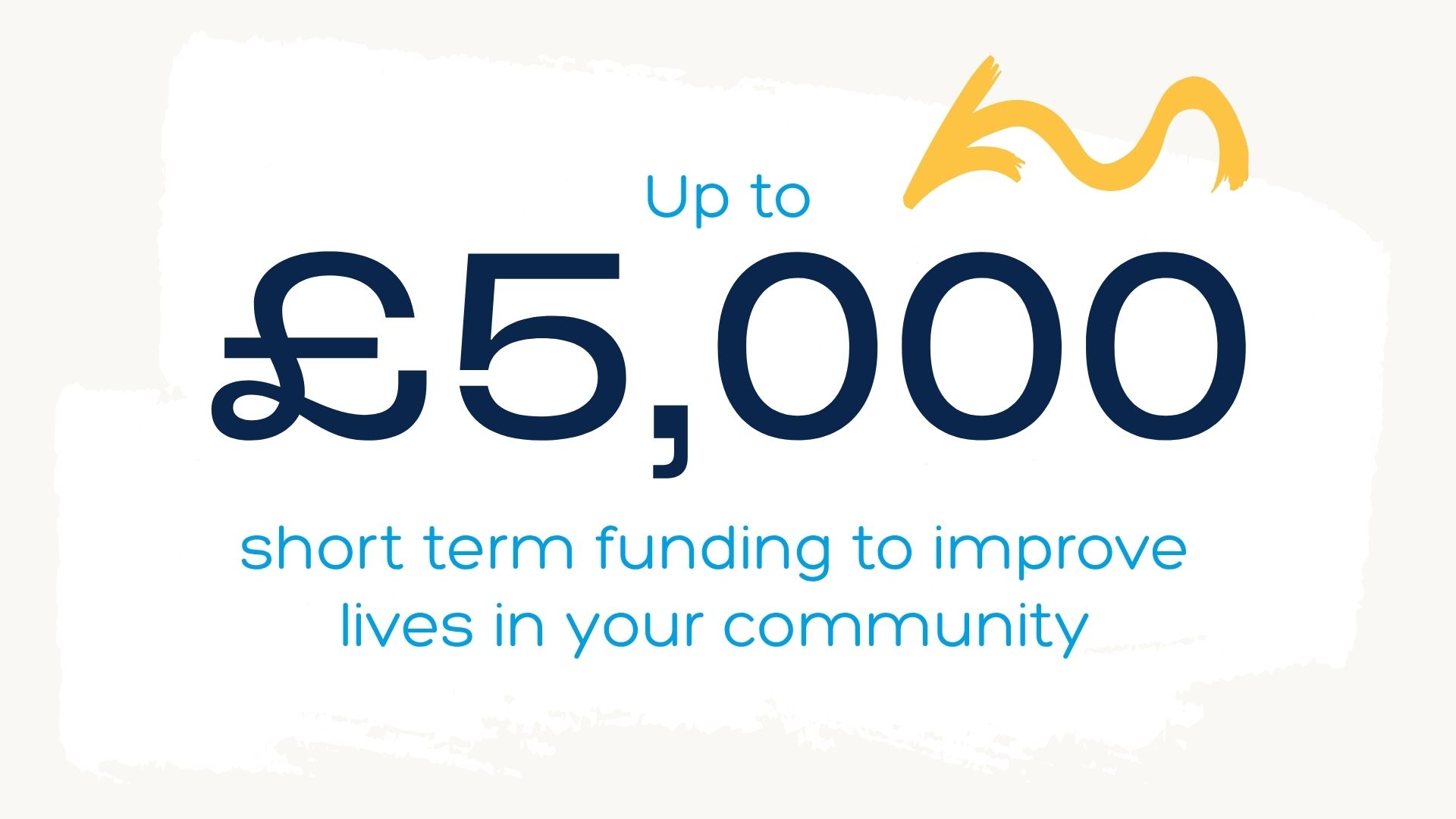
PHA Making Life Better short term funding opened on Monday 6 July
Read More
19
/
09/2026
•
Urban Health
The statistical profile is part of the city and district's preparation for Phase VIII of the WHO Healthy Cities network
Read More
3
/
08/2026
•
Mental Health
Clear forum speakers on their lessons from wellbeing practice
Read More


