2
/
06/2026
•
Grants
Quality standards matter because they build trust, strengthen services and show a clear commitment to doing things well, writes Clear project manager Sarah-Jane Goldring.
Community and voluntary organisations deliver vital support every day, often in demanding circumstances, and the PHA Quality Standards help showcase that commitment to quality and continuous improvement.
For organisations supporting emotional and mental wellbeing, the PHA Quality Standards framework offers a practical, trusted route to stronger services, greater consistency and safer support.


Through the self-assessment tool, or organisational health check, organisations can reflect on practice, identify strengths and highlight areas for growth using the Standards Portal.
Adopting the Standards demonstrates leadership, reinforces best practice and gives service users, partners and funders confidence in the quality and safety of your work.
If you want to strengthen your service and show your commitment to high-quality, safe support, complete the form below and the Clear team will be in touch.
Fill in form
Other Blogs
19
/
09/2026
•
Urban Health
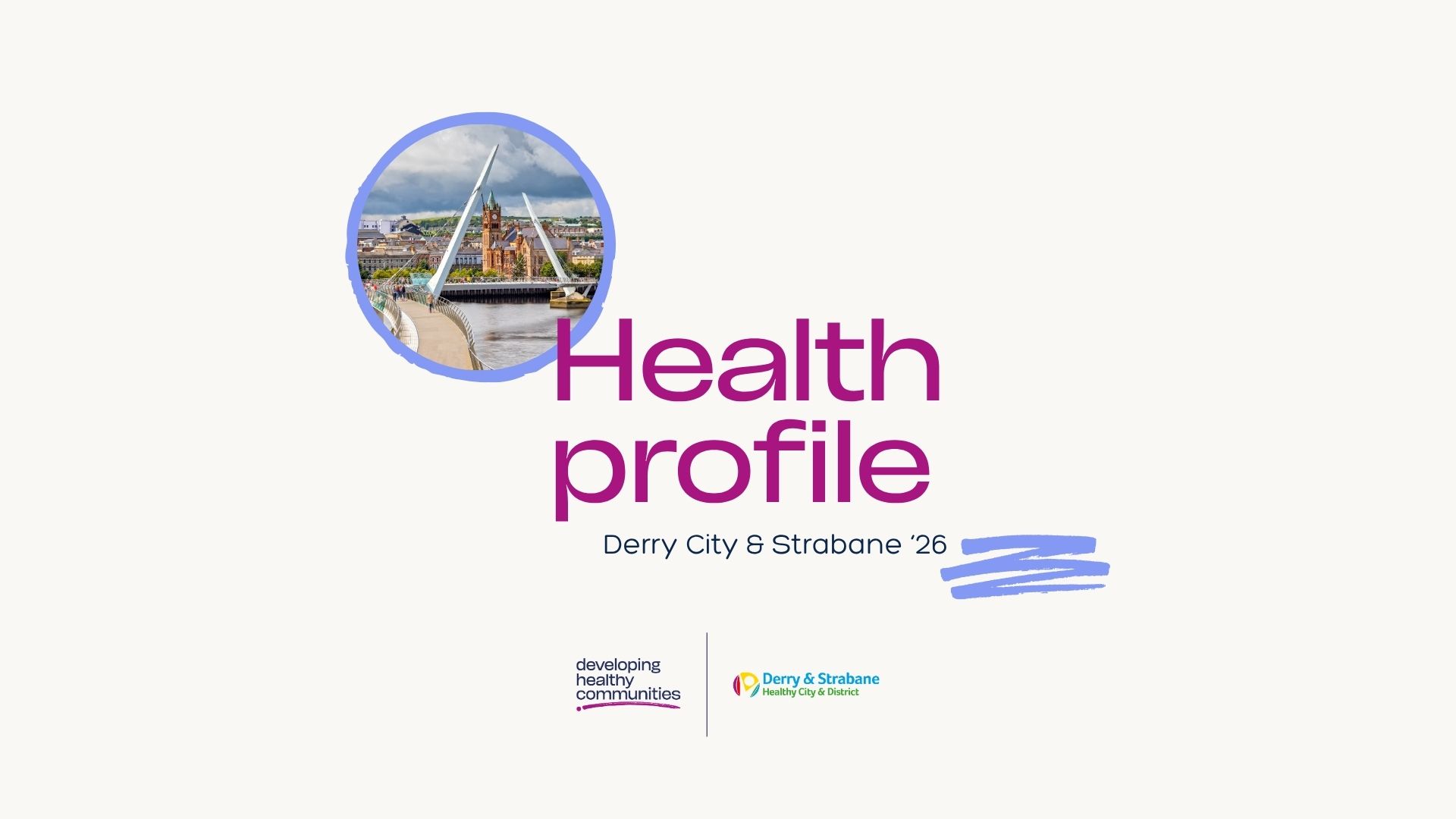
The statistical profile is part of the city and district's preparation for Phase VIII of the WHO Healthy Cities network
Read More

3
/
08/2026
•
Mental Health
Clear forum speakers on their lessons from wellbeing practice
Read More
6
/
07/2026
•
Grants
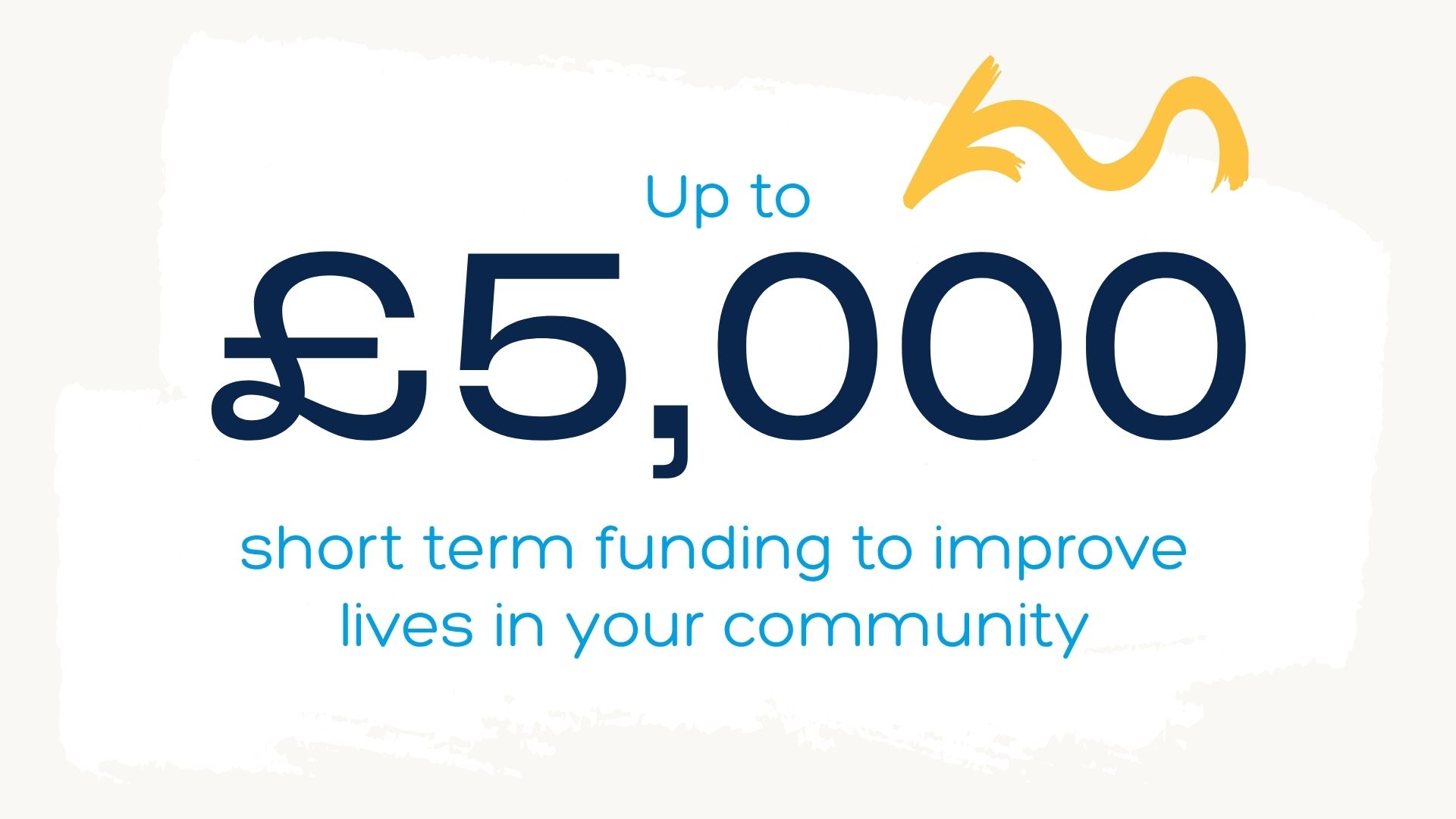
PHA Making Life Better short term funding opened on Monday 6 July
Read More
19
/
09/2026
•
Urban Health
The statistical profile is part of the city and district's preparation for Phase VIII of the WHO Healthy Cities network
Read More
3
/
08/2026
•
Mental Health
Clear forum speakers on their lessons from wellbeing practice
Read More


