19
/
09/2026
•
Urban Health
This year, Dr Maria Herron and Developing Healthy Communities compiled a comprehensive profile of health in Derry City & Strabane covering a wide range of indicators aligned with World Health Organization guidance.
The profile has been created in preparation for Derry City and Strabane's participation in Phase VIII of the WHO European Healthy Cities Network, beginning in 2026. Phase VIII builds on previous phases and aligns with the 2030 Sustainable Development Goals, WHO’s Fourteenth General Programme of Work, and the Second European Programme of Work 2026–2030.
That profile evidences and supports our Phase VIII priorities, identified in collaboration with the cross-sector Healthy City & District Leadership Group. Here's what the profile reveals about the Derry and Strabane Healthy City Leadership Groups three Phase VIII priorities...
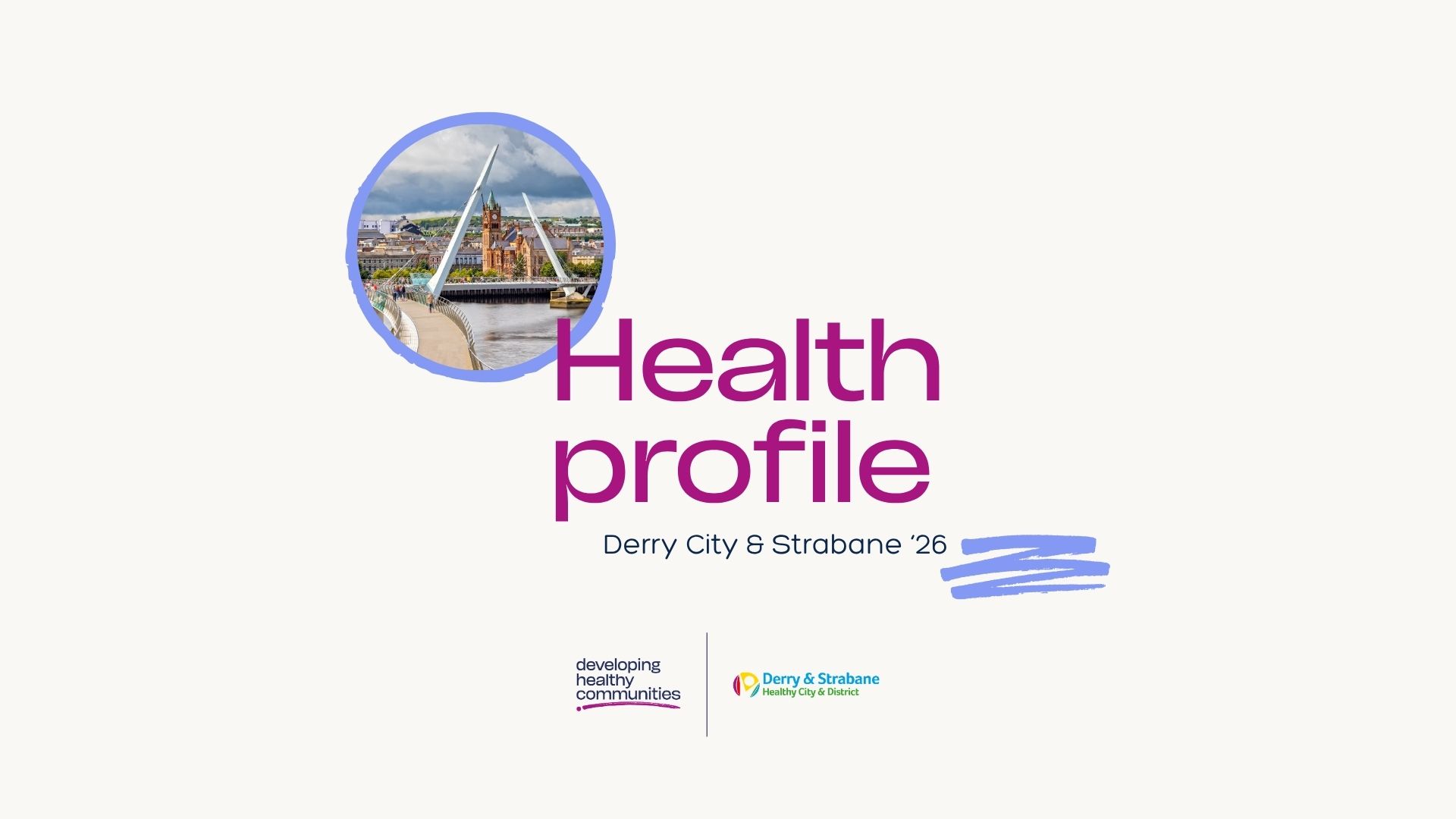

Young people’s mental health remains an important common area of concern among the organisations represented on our steering committee.
Prescription rate for mood and anxiety remains considerably higher than the Northern Ireland average, at 274 per 1000 population, and exhibits strong health inequalities. There is a strong case for action on mental health and consideration of the interactions between mental health and deprivation.
At 57 dependents per 100 working age adults, Derry City and Strabane’s overall dependecy ratio is fairly typical or a European city, but the breakdown reveals a higher child depedency ratio (0.30) and lower older age dependency ratio (0.27) than many peers, supporting a case for investment in young residents.
While young people not in education, employment or training (NEETs) make an obvious group of concern, the 54% of 16-24 year olds in work, especially those in casual or low wage industries, could benefit from the application of the WHO workplace health model.
This priority reflects a commitment to harness the substantial creative arts resources locally to create a creative health system for effective connections between health, social care and cultural sector.
A growing evidence base highlights the preventative and recuperative potential of creative health across a wide range of circulatory, respiratory and neurological diseases. Those conditions make up three of the five leading causes of death in Derry City and Strabane.
At 29%, the proportion of older people living alone is very similar to the number for England and Wales and makes up a key population who could benefit from creative health interventions.
Measures of community belonging make up one of the data gaps in the health profile. In the course of Phase VIII it may be relevant to investigate community belonging in the pursuit of this priority.
At 86.8%, the car remains the primary mode of transport for communiters in the city and district, with knock-on impacts on air quality, physical activity and opportunities for play. Modal shift remains an important consideration within this priority.
With 100km of cycle paths, an additional 45 km under development and 120 km identified for future routes, investment in greenways in Derry City & Strabane featured prominently in our Phase VII WHO healthy city designation. That investment provides a strong base for continued work to create public spaces that promote health.
Good design is inclusive. The 27.1% figure for people living with disabilities is only slightly above the UK average, but highlights the importance of designing spaces that meet the needs of all Derry City & Strabane residents.
Other Blogs
3
/
08/2026
•
Mental Health
Clear forum speakers on their lessons from wellbeing practice
Read More

6
/
07/2026
•
Grants
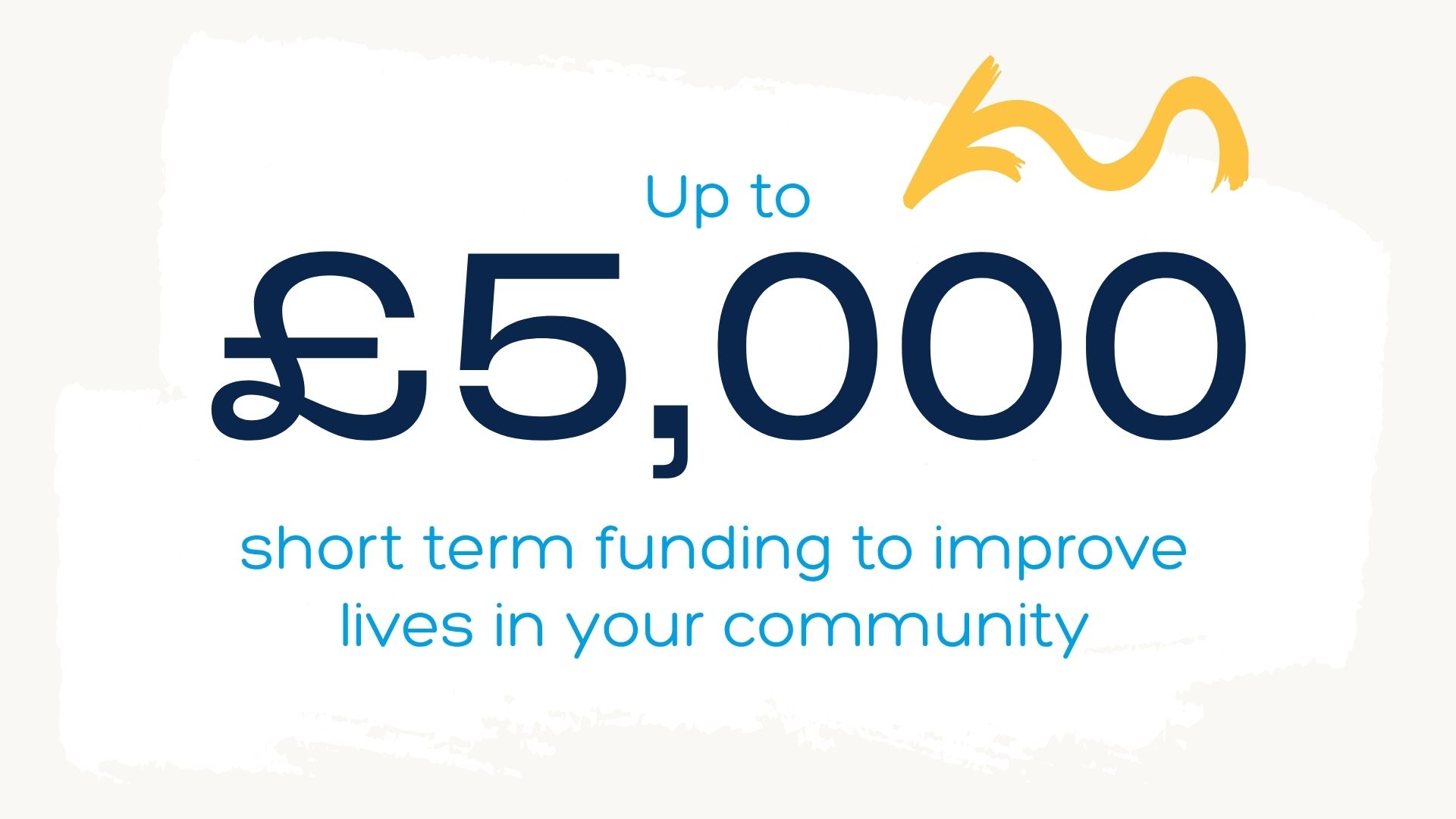
PHA Making Life Better short term funding opened on Monday 6 July
Read More
29
/
06/2026
•
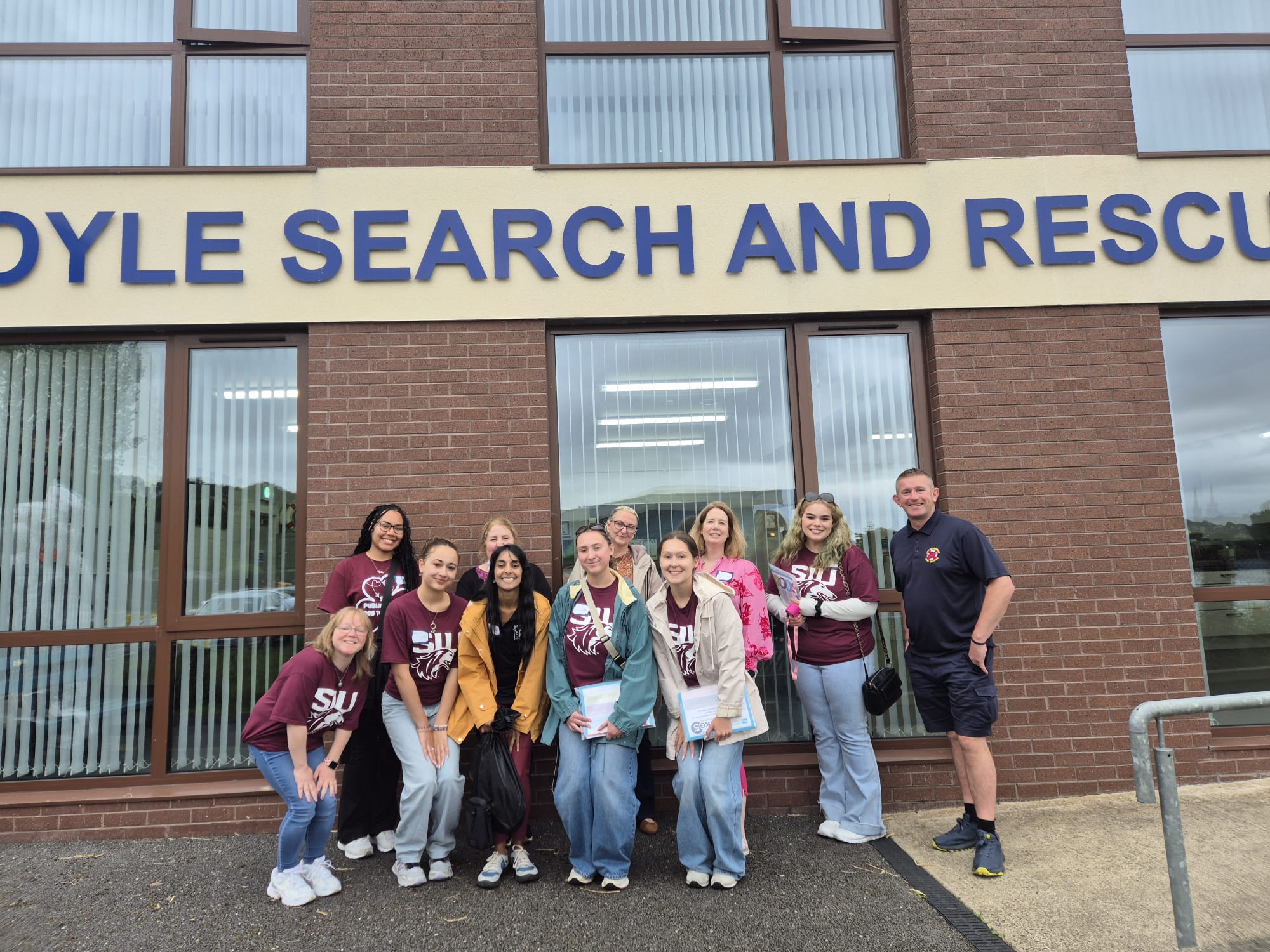
This month we were privileged to meet students from Southern Illinois University and Lumen Christi
Read More
3
/
08/2026
•
Mental Health
Clear forum speakers on their lessons from wellbeing practice
Read More
6
/
07/2026
•
Grants
PHA Making Life Better short term funding opened on Monday 6 July
Read More


